2026-11-05 ·
Does Homeowners Insurance Cover Water Damage in Texas?
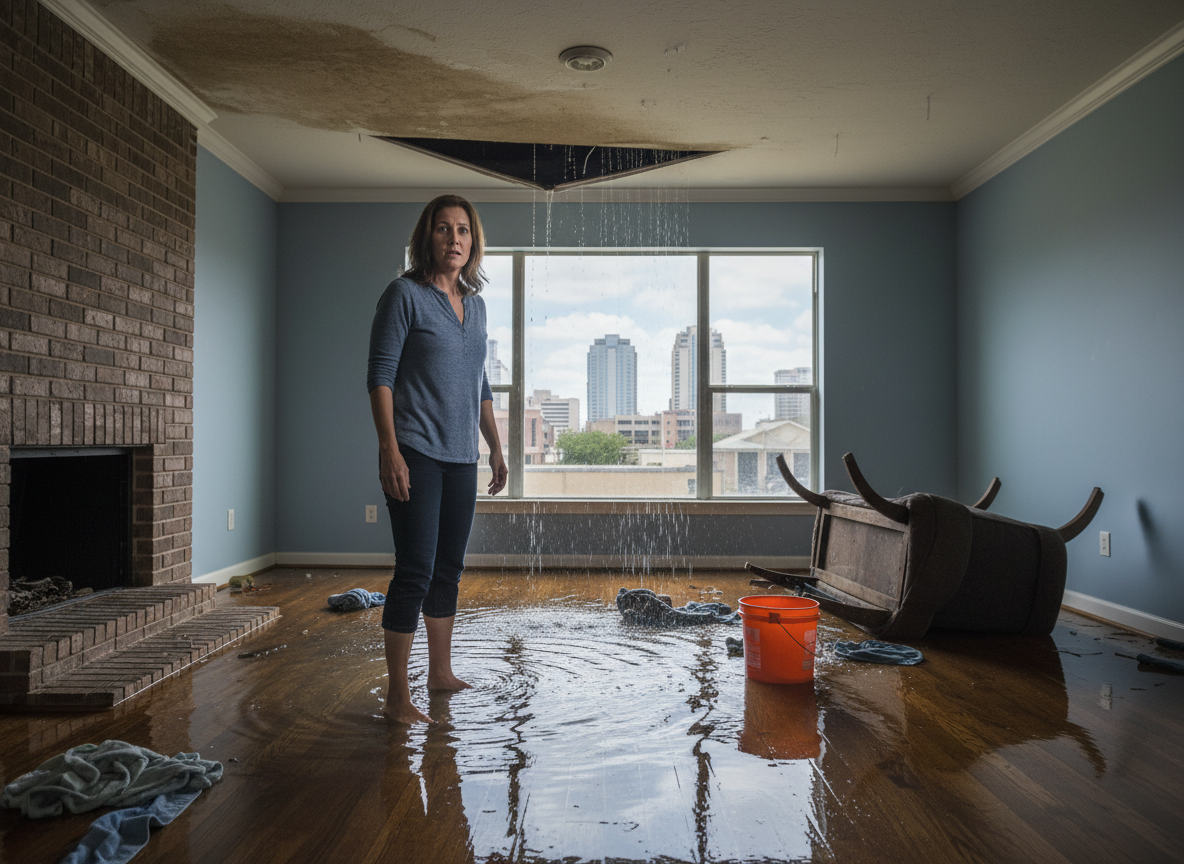
Homeowners insurance in Texas typically covers sudden and accidental water damage such as burst pipes or appliance failures while excluding flood damage and gradual leaks from poor maintenance. Policies treat these events differently based on cause and timing rather than location alone.
Coverage for Sudden vs. Gradual Damage
Texas standard homeowners policies pay for water damage when it stems from a sudden event like a burst pipe inside the home. Insurers often deny claims for leaks that develop over months or years from worn fittings or neglected maintenance. In Fort Worth neighborhoods such as Arlington Heights and the Cultural District, many homes built before 1970 contain galvanized steel lines that can fail abruptly during temperature swings. Documenting the exact moment of failure with photos and plumber reports strengthens a claim. Policies also cover resulting damage to floors and drywall but rarely the cost to replace the original failed pipe itself. Review the declarations page for your deductible amount before filing.
Flooding and Separate Policies
Standard policies exclude damage from surface water that enters through doors or windows during heavy rain. Tarrant County residents near the Trinity River or in low-lying sections of the Stockyards must purchase separate flood insurance through the National Flood Insurance Program. A single inch of floodwater can require full removal of affected subfloors and insulation. Homes in Downtown Fort Worth and near Sundance Square sit on older combined sewer systems that occasionally back up during storms, creating another category often treated as flood rather than covered water damage. Contact your agent to confirm whether your address falls inside a designated flood zone before assuming coverage applies.
How Fort Worth Weather and Housing Affect Claims
The region’s humid subtropical climate brings hot summers that stress air conditioning condensate lines and mild winters that still allow occasional hard freezes capable of splitting pipes in unconditioned attics. Older stock in TCU-area bungalows and Arlington Heights frequently features slab-on-grade construction where slab leaks travel under tile and hardwood, complicating proof of sudden failure. Insurance adjusters look for signs of long-term moisture such as mold growth patterns when evaluating claims in these homes. Nearby cities like Keller and Mansfield share similar clay soils that shift with moisture changes, sometimes stressing supply lines at the foundation wall. Clear documentation of weather conditions on the date of loss helps separate sudden events from ongoing issues.
Steps to File a Claim After Water Damage
Photograph standing water and affected materials before any cleanup begins. Notify your insurer within 24 hours and request a claim number for all future correspondence. Keep a written log of conversations including dates, times, and names of adjusters. Secure temporary repairs such as shutting off water at the main valve to prevent further loss. In cases involving more than 10 square feet of affected drywall, professional drying equipment becomes necessary to meet carrier documentation standards. Retain all receipts for fans, dehumidifiers, or temporary lodging if displacement occurs.
When to Contact a Local Restoration Professional
After filing, schedule an inspection with a company familiar with Fort Worth building codes and Tarrant County permitting. Technicians can extract water from carpet pads and subfloors before mold sets in during humid summer conditions. Link to related guidance on distinguishing mitigation from full restoration when deciding next steps. For sudden pipe failures common in Stockyards-era homes, prompt action often determines whether coverage remains intact. Review your policy language on covered perils before authorizing work beyond emergency stops.